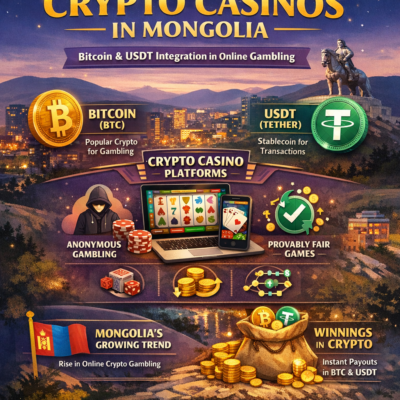
In a groundbreaking development for gamblers in Mongolia, several online casinos have begun to recognize the Mongolian Tugrik (₮) as a viable currency for transactions. This new trend not only simplifies the depositing and withdrawing processes for local players but also opens up a whole new world of opportunities in online gambling. As online casinos compete to provide better services, players now have unprecedented access to a wide array of gaming options while enjoying the comfort of using their local currency.
The online gambling scene in Mongolia has seen transformative changes in the last decade. While traditional forms of gambling such as horse racing and lotteries enjoyed popularity, the advent of technology has reshaped the way Mongolians engage with gambling. Initially, international platforms dominated the market, creating a barrier due to currency conversion and payment process complexities.
Mongolia’s regulatory framework for gambling has gradually evolved, allowing online casinos to operate more freely. The Government’s move to embrace digital currencies and e-wallets has paved the way for international sites to enter the market steadily. As of 2026, with increased regulation and oversight, online operators are more confident in catering to local preferences, including currency preferences.
Online casinos accepting Mongolian Tugrik are not only focusing on providing a local currency option but are also ensuring multiple transaction methods. Here’s what players can expect:
Depositing in Mongolian Tugrik is now a straightforward process. Here’s a simple guideline:
The inclusion of Mongolian Tugrik at online casinos has sparked enthusiastic responses from industry experts. Many analysts believe this shift will significantly increase the online player base in Mongolia. According to John Smith, a leading iGaming consultant, “Recognizing local currencies is a huge step forward, creating a more welcoming environment for Mongolian players and reducing friction associated with currency conversion. This could also lead to a boom in localized marketing strategies by casinos.”
Feedback from players has been overwhelmingly positive. Many Mongolian players were previously hesitant to gamble online due to complications arising from currency conversions and withdrawal issues. With the introduction of Tugrik as an option, players can now engage more freely, and their concerns about hidden fees and exchange rates have been alleviated. Local player Batbayar remarked, “It feels empowering to gamble without worrying about currency issues. It’s great to see casinos acknowledging our currency!”
For online gamblers in Mongolia, the ability to deposit and withdraw in their local currency builds confidence in the gambling process. Here are some notable impacts:
With increased accessibility comes the responsibility of promoting safe gambling practices. Online casinos accepting Tugrik are now more inclined to offer responsible gambling features, ensuring player well-being remains a priority.
The introduction of Tugrik as a gambling currency could set a precedent for other local currencies in Asia, potentially encouraging other online platforms to follow suit. As the Mongolian market grows, we might see:
The race to cater to Mongolian players might accelerate technological advancements among online casinos. Blockchain technology, enhanced security measures, and user-friendly interfaces could become more prevalent in the coming years. As the focus shifts towards local markets, innovation will likely prioritize player experiences.
As the online gambling industry evolves, the acceptance of the Mongolian Tugrik marks a significant milestone toward inclusion and accessibility for local players. With positive feedback from experts and players alike, the future looks promising for online casinos servicing the Mongolian market. Exciting changes are on the horizon, suggesting that the era of easy, local currency gambling has just begun. As the industry adapts to this new landscape, players can anticipate richer, more engaging gaming experiences that honor their cultural and economic contexts.