As of 2026, the landscape of online gambling in Mongolia remains shrouded in ambiguity, stirring excitement and concern among players and industry stakeholders alike. With a growing online casino market, including engagements in sports betting, players are left wondering about the legal parameters governing their gambling experiences. This article delves into whether online gambling is truly legal in Mongolia, the implications of ongoing legislation, and how these changes could reshape the gambling scene for years to come.
To understand the current legal status, it is essential to reflect on the historical journey of gambling regulations in Mongolia. Historically, gambling was tightly controlled and largely limited to state-run enterprises. However, the burgeoning interest in online gambling has prompted discussions about reforming existing laws.
In recent years, the Mongolian government has taken steps toward regulating online gambling, citing revenue potential and the need to monitor gambling activities to mitigate issues surrounding gambling addiction. In 2024, a draft bill was presented to the Parliament, aiming to legalize and regulate online gambling, including sports betting.
By 2026, Mongolia has seen significant shifts in its online gambling regulations. The Malay government is in advanced discussions to finalize a regulatory framework that potentially includes:
The potential legalization of online gambling has not gone unnoticed. Industry experts and stakeholders are cautiously optimistic. Local entrepreneurs are preparing to invest in the market, attracted by the prospect of ushering in new gaming technologies and brands that appeal to a younger demographic.
A recent conference held in Ulaanbaatar featured prominent figures from global gambling companies, discussing the vast opportunities in a regulated market. One noted expert remarked, “Mongolia stands on the brink of a gambling revolution, ensuring that regulations are in place can attract international brands, fostering a competitive and safe environment for players.”
Similarly, among the public, particularly the younger populace, there is an increasing acceptance of online gambling, as seen in surveys conducted throughout 2025. While many welcome the notion of having safe and regulated platforms for betting, concerns about problem gambling remain prominent. Public campaigns are anticipated to address responsible gambling practices, reflecting a culture shift towards acceptance.
The legalization of online gambling is expected to dramatically alter betting odds within the market. With regulated operators needing to comply with new standards, players can anticipate more competitive betting odds, particularly in sports betting.
This shift is contextualized by the growing interest in local sports, particularly traditional games, alongside international sports. Consequently, sports betting odds will likely benefit from improved liquidity, providing better overall betting experiences for consumers. This can lead to continually varying odds analysis that players will need to engage with to maximize their gambling potentials.
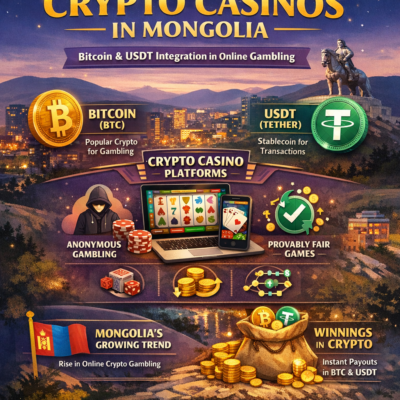
The ongoing developments present both opportunities and challenges for local operators and international brands entering the market. The introduction of new technologies such as blockchain and cryptocurrency could also influence how online gambling evolves in Mongolia, paving the way for innovations that appeal to a digital-savvy population.
Despite the positive outlook, there are still several potential challenges that online gambling companies will face when operating in Mongolia:
Players will also need to remain vigilant. The transition to a regulated market does not eliminate risks altogether. Issues such as accessing offshore sites without licenses and the potential rise in problem gambling call for careful consideration and increased awareness.
As 2026 unfolds, industry insiders predict a gradual acceptance of well-regulated online gambling platforms within Mongolia. The coming months will be pivotal as the government finalizes its regulatory framework.
Players should prepare for a burgeoning market infused with new gambling options, from online casinos featuring immersive gaming experiences to innovative sports betting platforms that take advantage of shifting sports dynamics.
The eventual legalization of online gambling in Mongolia marks the beginning of a new era for players and the industry alike. As regulators draft comprehensive laws and create a safe environment for players, Mongolia could emerge as a regional hub for online gambling, setting the stage for economic growth and further interest in sports betting odds analysis. Monitoring these developments will be crucial as both players and operators navigate the complexities of this evolving landscape.