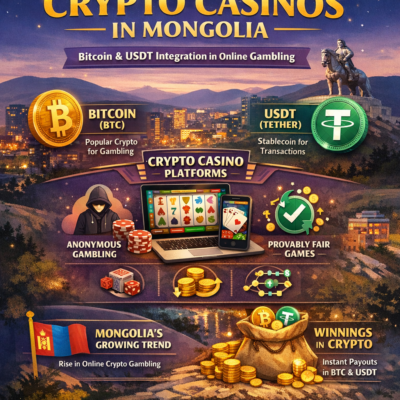
As 2026 approaches, the landscape of online gambling in Mongolia is in flux, stirring conversations among players, operators, and regulators alike. Recent legislative discussions have prompted intrigue about the legal status of online gambling, including sports betting and virtual casinos. With a burgeoning interest in the sector, can Mongolia be poised to embrace a regulated online gambling environment?
Mongolia’s approach to gambling has historically been a complex interplay between cultural norms and governmental regulations. Gambling has been a part of Mongolian culture for centuries, yet formalized legislation took a longer route. The first significant gambling laws emerged in 2002, primarily regulating land-based casinos and sports betting.
This delayed progression in establishing clear online gambling regulations has left many players in a gray area, reliant on foreign operators and unregulated sites.
With the advent of the digital age, online gambling has gained tremendous popularity among Mongolians. The rise of mobile technology has paved the way for increased accessibility to online sportsbooks and casinos. However, the lack of specific legal frameworks governing these sites has raised concerns regarding player safety and fair practices.
Legislative discussions have taken prominent stages in Mongolian parliament over the past few years, focusing on the need to establish a regulated online gambling market. In 2021, a proposal aimed at legalizing online sports betting and casino games began circulating, initiating debates that continue to evolve. Here are the pivotal moments:
The proposed regulations encompass a variety of elements designed to foster a safe gambling environment, including:
The response from the gambling industry has been mixed. Local stakeholders, including operators and players, welcome regulated access to online gambling. However, foreign companies express trepidation about operational costs and compliance requirements. According to Davaajargal, a local gambling expert, “The legalization will not just open the floodgates for international operators, but also create significant tax revenue opportunities for the government.”
While many players are eager for regulated platforms, some remain skeptical due to the delayed legislative process. “We have heard these promises before. Until there’s a clear law, we are apprehensive about where to place our bets,” comments Batjargal, a seasoned sports bettor.
The potential legalization of online gambling may significantly impact players. Here are a few anticipated changes:
A legal framework would also mandate responsible gambling measures. Safeguards might include self-exclusion programs, age verification, and partnerships with addiction support organizations—a critical step considering the rising awareness of gambling-related harm.
Looking ahead, 2026 could mark a turning point in Mongolia’s online gambling trajectory. As legislative efforts persist, industry insiders predict several outcomes:
Despite the optimistic outlook, challenges persist. There is a pressing need for clear communication between government bodies and industry players to ensure regulations are practical and effective. Furthermore, combating illegal gambling operations and ensuring compliance will require robust enforcement mechanisms.
As we look toward 2026, the potential for legalized online gambling in Mongolia hangs in the balance. With evolving legislation, industry reactions, and player expectations converging, the outcome will determine not only the future of online casinos and sportsbooks in Mongolia but also the larger implications for responsible gambling and economic growth. Keeping an eye on the developments, stakeholders must prepare for a landscape that is as unpredictable as it is promising.