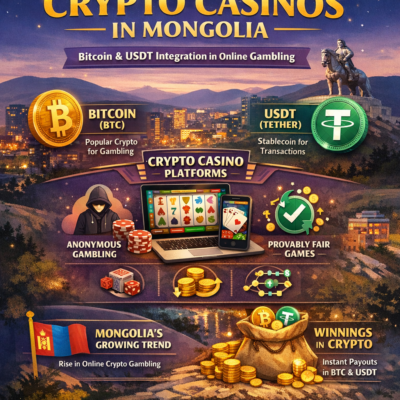
As we move further into 2026, the landscape of online gambling in Mongolia is undergoing significant changes that could reshape the future of betting in the country. Recent developments have opened the door for the legalization of online gambling, raising questions about the regulatory framework and its implications for players, operators, and the overall market.
In recent months, the Mongolian government has begun to explore the potential benefits of legalizing online gambling, recognizing the vast opportunities presented by this booming industry. But what will this mean for current and future players in Mongolia’s gambling arena?
To understand the current trends, it’s essential to look back at how online gambling was treated in Mongolia before 2026. Historically, the country has had restrictive regulations regarding gambling, mainly focusing on land-based casinos. The first phases of gambling legislation came into effect in the early 2000s, but online gambling remained a gray area due to a lack of specific laws governing virtual platforms. The absence of a regulatory framework often left players vulnerable to unlicensed operators and scams.
However, as technology advanced and mobile internet usage soared, there was a growing demand among Mongolian players for access to online casinos and sports betting options. This demand has prompted government officials to reconsider their stance on online gambling.
The COVID-19 pandemic acted as a catalyst, accelerating the discussions surrounding online gambling legalization. With physical casinos closed during lockdowns, many turned to international online platforms, highlighting the need for a regulated market that could ensure player protection and generate tax revenues for the state.
Though steps towards legalization are underway, the framework to govern online gambling is still in development. Experts suggest that the government is aiming for a comprehensive approach that encompasses licensing fees, responsible gambling measures, and strict regulations on advertising.
The primary stakeholders involved in the push for online gambling legalization include:
The government has initiated discussions on drafting regulations that would allow licensed online gambling operators to operate legally within Mongolia’s borders. This move aims to regulate the sector, enhance consumer protection, and boost economic prospects through taxation.
The government and stakeholders are focused primarily on urban areas where internet accessibility is higher and a population more inclined towards online gaming is present. Ulaanbaatar, the capital, stands at the forefront of these discussions.
The timeline for implementing these regulations is still uncertain, but early 2027 is being cited as a potential target for the launch of regulated online gambling platforms, depending on the legislative process.
Legalizing online gambling offers a multitude of benefits, including:
The response from industry experts is mixed but largely optimistic about the shift towards legalization. Many see this as an opportunity for sustainable growth in the gambling sector.
Several gaming analysts believe that a regulated online gambling market could lead to significant revenue boosts, both for the government and for legitimate operators. They emphasize that clear regulations could attract foreign investment and enhance consumer confidence.
Conversely, some experts caution against potential pitfalls. The main concerns include:
The potential legalization of online gambling in Mongolia is set to impact players in various ways. For the first time, they will have access to regulated online platforms, offering safer and more reliable gaming experiences.
With the advent of legal online gambling, players can expect:
While the prospects are enticing, players must also be cautious about the risks associated with increased accessibility. Responsible gambling initiatives will be essential to mitigate potential issues, such as addiction and financial mismanagement.
Looking beyond 2026, the landscape of online gambling in Mongolia seems poised for growth. If the regulations are passed, not only will local players experience more options, but the Mongolian economy could benefit significantly.
As we move forward, several trends might emerge:
The conversation surrounding online gambling in Mongolia has transitioned from uncertainty to promising prospects in 2026. As discussions of legalization gain traction, the implications for players, operators, and the national economy are profound. With careful implementation of regulations, Mongolia could very well become a thriving hub for online gambling. As we look towards the future, stakeholders must remain vigilant to ensure that the growth of this industry aligns with responsible gambling principles.